
Food Safety Compliance and Risk Management Strategies for High-Volume Operations
What Are the Essential Design Considerations for Food Premises and Equipment in High-Volume Operations?
Proper food premises design forms the foundation of Food Safety Compliance and Risk Management Strategies for High-Volume Operations. Facilities must align precisely with their intended purpose, whether that’s large-scale catering, institutional food service, or commercial food production. A mismatched design creates bottlenecks, increases contamination risks, and compromises the entire operation’s safety framework.
Why Tailored Design Matters for High-Volume Settings
High-volume operations handle substantially greater food volumes than conventional kitchens, which necessitates purpose-built infrastructure aligned with food safety compliance and risk management objectives. A facility engineered for 100 meals per day cannot seamlessly or safely scale to 1,000 meals without strategic upgrades and process re-engineering. Equipment layouts must be optimized to sustain higher throughput while consistently enforcing stringent hygiene and control protocols. When design limitations compel teams to improvise workflows, operational risk increases, often resulting in unsafe shortcuts that undermine critical controls and expose the organization to compliance gaps and reputational impact.
Spatial Requirements That Support Safe Operations
Adequate space allocation prevents the crowding that leads to cross-contamination incidents. Production areas need sufficient room for:
- Food preparation zones with dedicated workstations for different food categories
- Equipment placement allowing proper clearances for cleaning and maintenance
- Storage facilities including walk-in refrigerators, freezers, and dry goods areas
- Cleaning stations separate from food preparation surfaces
- Waste disposal areas positioned to prevent pest attraction and contamination
Each square meter must serve a defined purpose. Cramped conditions force staff to place raw ingredients near ready-to-eat foods or store cleaning chemicals alongside food items—violations that regulatory inspections flag immediately.
Strategic Layout for Contamination Prevention
The physical separation of incompatible activities represents a critical contamination prevention strategy. Effective food premises design creates distinct zones:
Raw Product Handling Areas should occupy separate spaces from cooking and dispatch zones. Raw meat, poultry, and seafood carry pathogens that must never contact cooked foods. Physical barriers, dedicated equipment, and separate ventilation systems reinforce this separation.
Food Preparation Zones require isolation from washing stations and chemical storage. Splashing water from dishwashing areas can carry bacteria onto food contact surfaces. Chemical fumes from cleaning products can contaminate exposed ingredients.
Staff Facilities including entrances, toilets, and break rooms must be strategically located away from production areas. This prevents employees from inadvertently introducing contaminants through their clothing or personal belongings.
By implementing these design considerations, high-volume operations can establish a robust framework for preventing foodborne illnesses and ensuring compliance with regulatory standards.
How Does the HACCP System Support Food Safety Compliance in Large-Scale Food Operations?
The HACCP system provides a structured framework that transforms reactive food safety approaches into proactive prevention strategies. This food safety management methodology identifies potential hazards before they compromise product integrity, making it indispensable for operations processing thousands of meals daily.
The Seven HACCP Principles in Action
The foundation rests on seven sequential principles that create a comprehensive safety net:
- Conduct hazard analysis to identify potential biological, chemical, and physical risks
- Determine critical control points where hazards can be prevented or eliminated
- Establish critical limits with measurable parameters for each control point
- Implement monitoring procedures to track control point performance
- Define corrective actions when critical limits are breached
- Verify procedures through testing and validation
- Maintain documentation of all processes and outcomes
Hazard Identification in High-Volume Environments
Large-scale operations face unique contamination risks amplified by production volume. Biological hazards include Salmonella in raw poultry processing lines, Listeria in ready-to-eat products, and cross-contamination from high staff turnover. Chemical hazards emerge from cleaning agents used in rapid sanitation cycles, while physical hazards like metal fragments increase with automated equipment usage.
Critical control points in high-volume settings typically include cooking temperatures for bulk batches, cooling protocols for large quantities, and receiving procedures for multiple daily deliveries.
Management and Training Requirements
Hazard analysis effectiveness depends entirely on leadership investment. Management must allocate resources for initial HACCP plan development, ongoing monitoring equipment, and regular system audits. Employee training programs need tailoring to specific roles—line workers require different competencies than quality assurance staff.
Building on Prerequisite Programs
HACCP functions as the top tier of a food safety pyramid. Good Manufacturing Practices (GMPs) form the base, establishing standards for facility maintenance, equipment sanitation, and personal hygiene. Sanitation Standard Operating Procedures (SSOPs) add another layer before HACCP addresses remaining critical risks. This integrated approach ensures no safety gap exists between basic hygiene and advanced control measures.
What Are the Key Food Safety Practices That Staff Must Follow in High-Volume Settings?
Food handlers in high-volume operations must possess specific competencies tailored to their roles, including understanding contamination pathways, proper hygiene protocols, and allergen management. Food handler training programs should address the unique challenges of large-scale environments where multiple staff members work simultaneously, increasing the complexity of maintaining consistent safety standards.
Critical Temperature Control Points
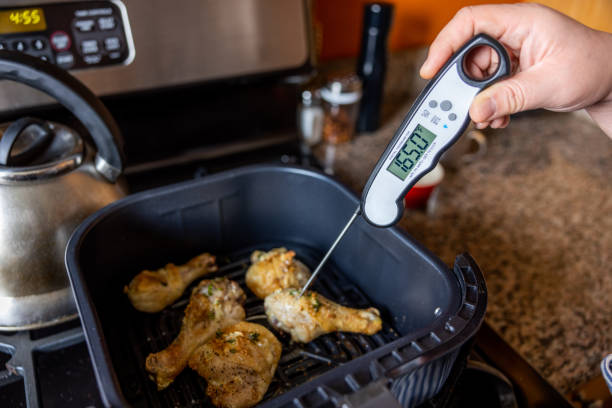
Temperature management serves as the primary defense against pathogenic growth in potentially hazardous foods. Staff must maintain cold foods at 5°C or below and hot foods at 60°C or above to keep bacteria in the “danger zone” (between these temperatures) for minimal time. High-volume kitchens require:
- Regular calibration checks of thermometers and temperature monitoring devices
- Documentation of temperature readings at receiving, storage, preparation, and service stages
- Rapid cooling protocols for large batches using ice baths or blast chillers
- Clear procedures for temperature recovery when equipment malfunctions
Preventing Cross-Contamination Through Workflow Design
Cross-contamination prevention demands strategic workflow management where staff understand directional flow patterns. Color-coded cutting boards, utensils, and storage containers create visual cues that prevent raw-to-cooked product contact. Dedicated handwashing stations positioned at critical transition points—between raw and ready-to-eat food handling areas—reinforce hygiene compliance.
High-volume settings benefit from designated zones where staff handle only specific product categories, reducing the risk of inadvertent contamination during peak service periods.
Documentation and Continuous Competency Development
Staff competencies require regular verification through practical assessments and knowledge checks. Documented training records demonstrate regulatory compliance while identifying skill gaps that need addressing. Refresher sessions should occur quarterly at minimum, with immediate retraining following food safety incidents or procedural changes. Competency documentation creates accountability and provides evidence of due diligence during audits or investigations.
How Can Risk Management Strategies Mitigate Hazards Throughout High-Volume Food Operations?
Risk management strategies create systematic safeguards that identify and control hazards at every operational stage. High-volume facilities face amplified risks due to increased throughput, making proactive hazard monitoring essential from ingredient sourcing through final distribution.
Continuous Hazard Monitoring Across the Supply Chain
Effective hazard monitoring begins with supplier verification and extends through receiving, storage, preparation, and dispatch. High-volume operations must establish checkpoints at each stage to detect biological contaminants, chemical residues, and physical hazards before they compromise product safety. Real-time temperature logging systems, visual inspections at receiving docks, and regular environmental swabbing programs provide data-driven insights into emerging risks.
Emergency Response Plans Tailored to Risk Assessments
Documented emergency response plans address scenarios specific to high-volume environments: refrigeration failures, contamination incidents, or supply chain disruptions. These plans outline immediate containment procedures, communication protocols, and product recall mechanisms. Risk assessments inform plan development by identifying vulnerabilities unique to each operation’s scale, equipment configuration, and product portfolio.
Verification Systems for Compliance Adherence
Regular verification activities confirm that food safety compliance and risk management strategies for high-volume operations remain effective. Internal audits, third-party inspections, and calibration checks on monitoring equipment validate that critical control measures function as intended. Documentation reviews ensure procedures align with current regulatory standards while trend analysis of monitoring records reveals patterns requiring corrective action.
Potable Water Supply as a Foundational Control
Reliable access to potable water underpins multiple safety functions: equipment sanitization, ingredient preparation, handwashing, and cooking processes. High-volume operations require sufficient water pressure and volume to support simultaneous activities across production zones. Regular testing protocols verify water quality meets microbiological and chemical standards, while backup systems prevent operational disruptions during supply interruptions.
What Regulatory Requirements Must High-Volume Food Operations Comply With?
High-volume food operations must follow mandatory rules set by national authorities like Food Standards Australia New Zealand (FSANZ) or similar regulatory bodies. These FSANZ standards create legally binding requirements that protect public health and ensure consistent food safety practices across the industry.
Premises Design and Construction Requirements
Standard 3.2.3 governs premises design and construction, specifying requirements for:
- Adequate space allocation for production, storage, and cleaning activities
- Appropriate separation of raw and ready-to-eat food zones
- Durable, non-toxic construction materials that resist contamination
- Proper ventilation, lighting, and drainage systems
Food Handling Practices Requirements
Standard 3.2.2 addresses food handling practices, establishing protocols for temperature control, personal hygiene, and contamination prevention during all operational stages.
Hygiene Requirements
Hygiene requirements extend beyond basic cleanliness to encompass comprehensive sanitation schedules, staff health monitoring, and documented cleaning procedures. Operators must maintain detailed records demonstrating compliance with these protocols.
Pest Control Regulations
Pest control regulations mandate integrated pest management systems that prevent entry, eliminate harbourage areas, and monitor for pest activity. Regular inspections and documentation of pest control measures are compulsory.
Water Supply Regulations
Water supply regulations require operations to use potable water meeting quality specifications for all food contact purposes, including ingredient preparation, equipment washing, and hand hygiene facilities. Testing and verification of water quality must occur at prescribed intervals to maintain compliance with safety standards.
What Operational Challenges Do High-Volume Food Businesses Face and How Can They Be Addressed?
High-volume food businesses face significant operational challenges that directly impact food safety performance. Space limitations often create bottlenecks that hinder proper storage practices and temperature control measures.
1. Refrigeration Capacity: The Most Critical Infrastructure Challenge
Refrigeration capacity is the most critical infrastructure challenge. Insufficient cold storage forces businesses to keep potentially harmful foods at unsafe temperatures, leading to faster bacterial growth and higher spoilage rates. Operations must determine their refrigeration needs based on peak production levels, not average demand. This means considering:
- Maximum daily ingredient deliveries
- Work-in-progress items requiring cold storage
- Finished products awaiting distribution
- Emergency backup capacity for equipment failures
2. Temporary Event Operations: Unique Complications Requiring Specialized Solutions
Temporary event operations present unique complications requiring specialized solutions. Mobile food services and catering operations at venues without permanent facilities must uphold the same safety standards as fixed establishments. When cool rooms are unavailable, ice boxes become essential equipment—provided operators check internal temperatures every two hours and replenish ice supplies before melting compromises food safety zones.
For instance, temporary food establishment guidelines specify the necessary protocols that mobile food services should follow to ensure compliance with health standards.
3. Contingency Plans for Event-Based Operations
Event-based operations also need backup plans for power outages, transportation delays, and insufficient water access. Pre-packed ice packs, insulated transport containers with temperature data loggers, and portable handwashing stations address these gaps. Scaling up for large events requires proportional increases in refrigerated storage, not just production equipment.
Moreover, special food service operation rules provide additional insights into managing unique situations that arise during temporary event operations, ensuring that all safety and health regulations are met effectively.
How Can Integrated Systems Ensure Effective Food Safety Compliance in High-Volume Operations?
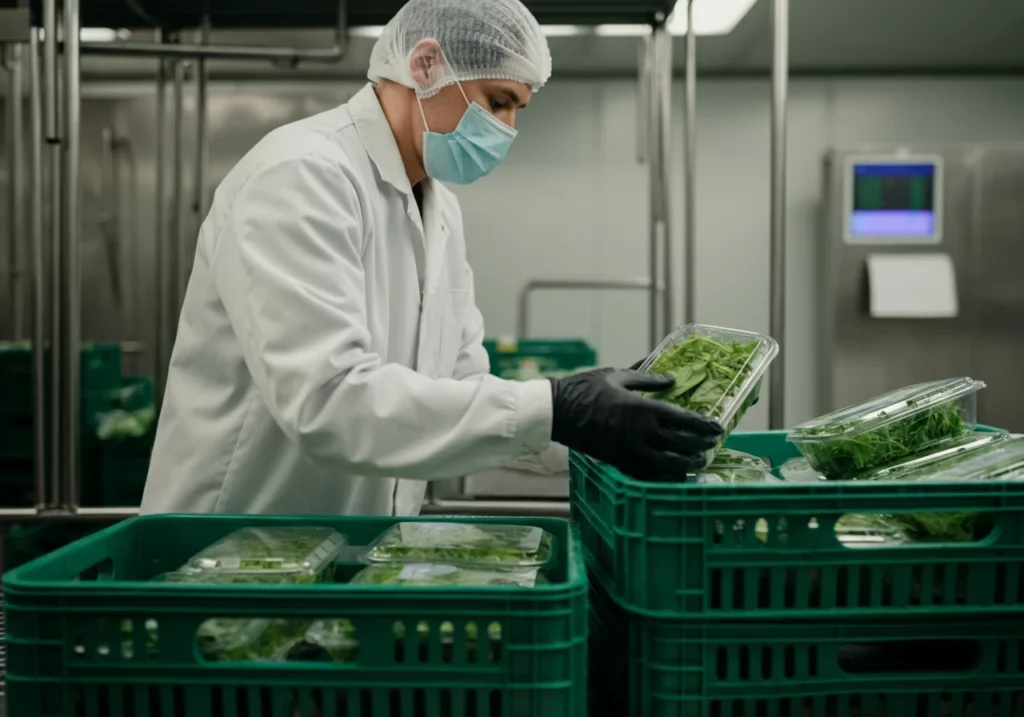
Integrated food safety systems succeed by uniting physical infrastructure with systematic hazard controls. Well-designed facilities provide the foundation—proper layouts prevent cross-contamination, adequate refrigeration maintains temperature control, and durable surfaces enable effective sanitation. These physical elements must work alongside rigorous protocols like HACCP to create comprehensive protection.
The synergy between facility design and hazard analysis creates multiple defensive layers. A properly zoned kitchen layout reduces contamination risks, while HACCP monitoring ensures those zones function as intended. When equipment accessibility supports both operational efficiency and cleaning protocols, the system strengthens at every touchpoint.
Continuous improvement depends on two critical pillars:
- Employee education programs that evolve with operational changes, new equipment, or updated regulations
- Regulatory adherence through systematic verification, audits, and documentation reviews
Staff competency directly impacts system effectiveness. Training must extend beyond initial onboarding to include regular refreshers, scenario-based learning, and competency assessments. Documentation proves compliance during inspections and identifies knowledge gaps requiring attention.
Food Safety Compliance and Risk Management Strategies for High-Volume Operations require this integrated approach. Facilities, hazard controls, trained personnel, and regulatory frameworks must function as interconnected components rather than isolated elements. Regular system reviews identify weaknesses before they compromise food safety, ensuring operations maintain the highest standards while meeting production demands.
More about Food Safety Standards Compliance: How Digital Platforms Keep Businesses Audit-Ready
About The Author
