
How Modern Food Safety Software Transforms Compliance in the Food Industry
What Are the Compliance Challenges Faced by the Food Industry?
The food industry is facing increasing compliance challenges in food industry operations that threaten both safety standards and business viability. Paper-based documentation systems create bottlenecks, leading to inconsistent record-keeping and delayed detection of critical safety breaches.
Food safety management teams encounter several ongoing obstacles:
Time-consuming manual processes that take resources away from core operations, especially in the absence of effective food safety compliance management systems.
Storage and retrieval problems with physical documents stored in different locations
Human error risks in data entry and monitoring tasks
Difficulty tracking compliance across multiple sites and shifts
Complex regulatory requirements that differ by jurisdiction and product type
The consequences go beyond regulatory fines. A single compliance failure can lead to product recalls, harm brand reputation, and destroy consumer trust built over decades. Companies operating without strong food safety compliance management risk overlooking critical control points where contamination or safety hazards occur.
Tackling these challenges directly affects profitability and market position. Businesses that make their compliance processes more efficient lower operational costs while improving their ability to handle audits and inspections. The competitive advantage becomes clear when considering that effective food safety management systems allow for quicker market entry, smoother supply chain operations, and stronger relationships with retailers demanding documented safety protocols.

How Does Technology Play a Role in Changing Food Safety Management?
Technology has fundamentally shifted food safety management from reactive to proactive operations. The role of technology in food safety management centers on replacing manual, paper-based processes with intelligent digital systems that automate monitoring, documentation, and analysis in real-time.
Automation of Tasks
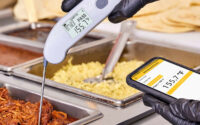
Digital platforms now handle tasks that previously consumed hours of manual labor. Automated temperature logs, digital checklists, and instant hazard alerts eliminate the delays inherent in traditional record-keeping. Staff members can access critical information from mobile devices on the production floor rather than searching through filing cabinets or clipboards.
Continuous Monitoring
The transformation extends beyond simple digitization. Modern systems integrate IoT sensors that continuously monitor environmental conditions, triggering immediate notifications when parameters drift outside safe ranges. This instant visibility prevents small issues from escalating into costly recalls or compliance violations.
Data Analysis and Prediction
Artificial intelligence analyzes historical data to identify patterns and predict potential risks before they materialize. Machine learning algorithms can spot anomalies that human reviewers might miss, strengthening the entire safety framework.
Secure and Accessible Records
Cloud-based storage ensures food safety records remain secure, accessible, and audit-ready at all times. Teams across multiple locations can collaborate seamlessly, sharing updates and insights without the version control problems that plague paper systems.
Reduction of Human Error
The shift to technology-driven management reduces human error, accelerates response times, and creates a comprehensive digital trail that demonstrates compliance to regulators and auditors.
Why Should Businesses Adopt Modern Software Solutions for Food Safety Compliance?
Modern software solutions are crucial for food safety compliance. They go beyond just replacing paper systems and completely transform how businesses ensure consumer protection and meet regulatory requirements. In today’s world, where traditional methods can no longer keep up with the demands of modern operations, relying on outdated paper-based systems poses risks that businesses simply cannot afford.
Here are some key reasons why businesses should consider adopting modern software solutions for food safety compliance:
1. Regulatory demands have intensified.
Food safety regulations such as FSMA (Food Safety Modernization Act) require businesses to have thorough documentation, quick response capabilities, and transparent traceability. Unfortunately, manual systems often struggle to meet these requirements. However, with software solutions in place, businesses can automatically generate reports that are ready for audits and maintain detailed compliance records that satisfy inspectors instantly.
2. Financial risks escalate with non-compliance.
Non-compliance with food safety regulations can lead to severe financial consequences. Just one incident involving food safety can result in costly recalls, legal liabilities, and irreparable damage to a brand’s reputation. Fortunately, modern software offers real-time alerts that help identify deviations before they escalate into major crises. By doing so, it protects both consumers and the financial health of the business.
3. Operational efficiency demands automation.
Food businesses constantly face pressure to cut costs while still maintaining high quality standards. Manual documentation processes consume valuable hours that employees could be spending on production and improving quality control measures. By implementing automated systems through software solutions, businesses can eliminate repetitive data entry tasks and streamline their workflows.
4. Data accuracy determines decision quality.
Inaccurate record-keeping due to human error can create gaps in food safety documentation. These gaps may lead to poor decision-making when it comes to process improvements or risk mitigation strategies. Digital solutions provided by modern software ensure consistent and precise data collection, which in turn enables informed decision-making based on reliable information.
5. Competitive advantage requires modern infrastructure.
As industries evolve digitally, retailers and distributors are increasingly demanding verification of compliance through digital means from their suppliers. This means that businesses without up-to-date food safety software run the risk of losing partnerships or even access to certain markets altogether.
By adopting modern software solutions for food safety compliance, businesses can not only meet regulatory requirements but also protect themselves from financial risks, improve operational efficiency through automation, make better decisions based on accurate data, and stay competitive in an evolving industry landscape.
What Are the Key Features to Look for in a Modern Food Safety Software?
Selecting the right food safety software requires evaluating capabilities that directly impact compliance efficiency and operational effectiveness. The key features of modern food safety software determine how well the solution addresses your specific regulatory challenges and workflow requirements.
1. Automated Monitoring and Real-Time Alerts
Automated monitoring and real-time alerts stand at the core of effective food safety systems. These capabilities detect temperature deviations, equipment malfunctions, or procedural lapses instantly, allowing teams to respond before minor issues escalate into compliance violations or safety hazards.
2. HACCP Plan Management Tools
HACCP plan management tools should enable rapid development and maintenance of hazard analysis protocols. AI-powered solutions can parse your existing SOPs and ingredient specifications to identify critical control points automatically, reducing plan creation time from days to hours while ensuring comprehensive coverage.
3. Cloud-Based Accessibility
Cloud-based accessibility ensures your team can access critical information from any location using mobile devices. This feature supports real-time decision-making during production runs, supplier visits, or emergency situations when immediate access to safety protocols becomes essential.
4. Customizable Workflows
Customizable workflows allow the software to adapt to your unique processes rather than forcing your operations to conform to rigid templates. Look for solutions that integrate with IoT sensors, support predictive analytics, and offer flexible reporting structures that match your organizational needs and regulatory requirements.
How Can Businesses Overcome Resistance to Change When Implementing New Food Safety Software?
Employee resistance comes from fear of the unknown, worries about job security, and being comfortable with current processes. To ensure successful adoption, it’s important to address these concerns early on through open and honest communication.
1. Involve stakeholders from the beginning
Include team members in the selection process and pilot testing phases. When employees have a say in decisions regarding new technology, they feel a sense of ownership and become advocates instead of resistors. Front-line workers often have valuable insights into practical workflow challenges that management may not be aware of.
2. Demonstrate tangible benefits
Show specific benefits for each role. For example, demonstrate to kitchen staff how mobile apps eliminate unnecessary paperwork, explain to quality managers how automated alerts prevent compliance violations, and illustrate to executives how real-time dashboards improve decision-making. Concrete examples have a greater impact than vague promises of “improved efficiency.”
3. Implement comprehensive training programs
Accommodate different learning styles and technical skill levels through comprehensive training programs. Hands-on workshops, video tutorials, and one-on-one coaching sessions help build confidence. Designate “super users” within each department who receive advanced training and act as peer mentors during the transition period.
4. Start with phased rollouts
Instead of completely overhauling the system all at once, begin with phased rollouts. Gradually introducing features allows teams to adapt without feeling overwhelmed, creating momentum as early successes showcase value and diminish skepticism about the larger implementation.
What Are Some Real-Life Examples of Successful Implementation of Modern Food Safety Software?
Case studies on successful implementation of modern food safety software demonstrate measurable improvements across diverse food operations. Large-scale manufacturers, restaurant chains, and food distributors have achieved significant compliance gains through digital transformation.
Examples of Successful Implementation of Modern Food Safety Software
1. Multinational Food Processing Company
A multinational food processing company reduced audit preparation time by 75% after implementing automated documentation systems. Their digital platform consolidated records from multiple facilities, enabling instant access to compliance data during regulatory inspections.
2. Regional Restaurant Chains
Regional restaurant chains have reported 60% reductions in food safety incidents following software adoption. Real-time temperature monitoring and automated corrective action workflows prevented potential hazards before they escalated into violations.
3. Food Distribution Companies
Food distribution companies leveraging cloud-based traceability solutions cut recall response times from days to hours. Digital tracking systems provided immediate visibility into affected product batches, limiting financial exposure and protecting consumer safety.
4. Smaller Food Businesses
Smaller food businesses experienced equally impressive results. A craft brewery streamlined HACCP documentation from a 40-hour monthly task to under 10 hours, freeing staff to focus on quality improvements rather than paperwork.
Common Success Factors in Implementing Modern Food Safety Software
These implementations share common success factors: comprehensive staff training, phased rollouts, and leadership commitment. Organizations that integrated software with existing workflows saw faster adoption rates and stronger compliance outcomes than those attempting complete operational overhauls.

How Can Businesses Ensure Continuous Improvement in Their Food Safety Management Systems with the Help of Technology?
Continuous improvement in food safety management systems through technology requires establishing systematic processes for monitoring, analyzing, and refining food safety protocols. Modern food safety software transforms compliance in the food industry by providing the data-driven insights necessary to identify trends, spot weaknesses, and implement corrective actions before issues escalate.
How Technology Helps Businesses Improve Food Safety
Technology enables businesses to track performance metrics across multiple locations and time periods. Real-time dashboards reveal patterns in temperature deviations, cleaning schedules, and employee compliance rates. This visibility allows management to pinpoint specific areas requiring attention rather than relying on periodic audits that may miss emerging problems.
Key technological capabilities supporting continuous improvement include:
- Automated data collection that eliminates gaps in record-keeping and provides complete historical records for trend analysis
- Predictive analytics that forecast potential safety risks based on historical patterns and environmental factors, highlighting the growing role of data analytics in environmental monitoring for food safety
- Digital corrective action tracking that ensures follow-through on identified issues and prevents recurrence
- Performance benchmarking across different facilities or industry standards to identify best practices. This aspect is crucial as it helps businesses understand their standing in terms of essential KPIs and benchmarks for food and beverage manufacturers, which can significantly aid in improving their processes.
The software’s ability to generate detailed reports helps businesses evaluate the effectiveness of their food safety programs. Teams can review incident frequencies, response times, and training completion rates to make informed decisions about resource allocation and process modifications. This data-driven approach replaces guesswork with evidence-based strategies that strengthen food safety culture throughout the organization.
Moreover, adhering to GFSI compliance certification not only enhances the credibility of a business but also ensures that they are following globally recognized food safety standards.
Conclusion
Modern food safety software represents a fundamental shift in how the food industry approaches compliance. The transformation from paper-based systems to intelligent, automated platforms delivers measurable improvements in accuracy, efficiency, and risk mitigation. Businesses that adopt these solutions position themselves ahead of regulatory changes while building stronger food safety cultures.
The evidence is clear: technology-driven approaches reduce compliance costs, minimize human error, and provide the real-time visibility needed for proactive management. Food industry leaders must recognize that embracing modern software solutions isn’t optional—it’s essential for maintaining competitive advantage and protecting consumer health. Start your digital transformation today to ensure your organization meets the highest standards of food safety compliance.
Click here: What to Look for When Selecting the Best Food Safety Software Australia
About The Author
